Why Food Industries are Key to Sustainable Economic Growth
The food industries play a pivotal role in driving sustainable economic growth, acting as a cornerstone for both local and global economies. According to the Food and Agriculture Organization (FAO), the global food industry is projected to reach a market size of approximately $8 trillion by 2025, indicating its immense potential as a major contributor to economic development. Furthermore, a report by McKinsey highlights that food systems can unlock $2.3 trillion in economic growth worldwide by enhancing productivity and sustainability practices.
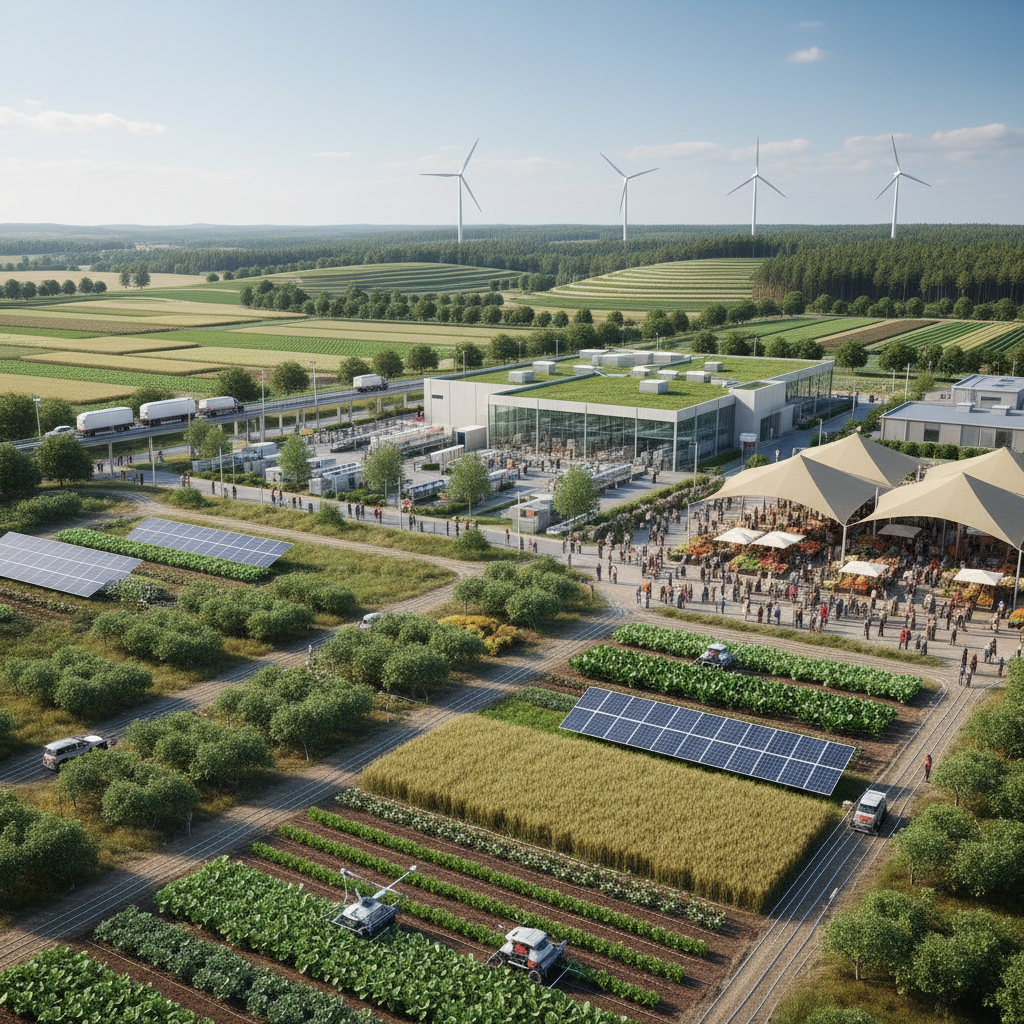
Investing in food industries not only fosters economic advancement but also promotes environmental sustainability. The United Nations emphasizes that reforming food systems could reduce greenhouse gas emissions by up to 70%, directly addressing climate change. As such, nurturing this sector can create jobs, support smallholder farmers, and encourage the adoption of innovative agricultural technologies, ultimately leading to a resilient food economy. Through a multi-faceted approach combining technology and sustainable practices, the food industries can significantly impact global markets and community welfare, ensuring a prosperous future for all stakeholders involved.
The Role of Food Industries in Driving Global Economic Stability
The food industry plays a critical role in driving global economic stability, comprising approximately 10% of the world’s GDP and employing over 1 billion people worldwide. According to a report by the Food and Agriculture Organization (FAO), investment in the food sector can yield returns that significantly outperform investments in other industries, thanks to the ever-increasing demand for food driven by population growth and urbanization. As economies grow, the demand for diverse, nutritious food products rises, creating a robust framework for job creation and income generation.
Furthermore, the food industry is instrumental in promoting rural development by fostering agricultural production and supporting local economies. A study from the World Bank highlights that investing in food-related industries can lead to a multiplier effect, where every dollar spent in agriculture can generate an additional $2.50 in economic activity. This highlights how food industries not only stabilize local economies but also contribute to global trade dynamics. By streamlining supply chains and enhancing value-added processing, food industries can boost economic resilience, making them a cornerstone of sustainable global economic growth.
Innovative Practices of Sustainable Agriculture and Their Economic Impact
The agricultural sector is increasingly embracing innovative practices aimed at sustainability, which are having a profound economic impact. For instance, according to a report by the Food and Agriculture Organization (FAO), sustainable farming techniques can increase crop yields by up to 30% while significantly reducing environmental footprints. Precision agriculture, which utilizes technology like drones and soil sensors, allows farmers to optimize resources and minimize waste, leading to enhanced productivity and reduced operational costs. These practices not only support food security but also bolster rural economies that depend heavily on agriculture.
Moreover, the adoption of agroecological methods is reshaping the economic landscape. Research from the International Fund for Agricultural Development (IFAD) suggests that investing in sustainable agricultural practices can provide a return of $13 for every $1 spent, benefiting not just farmers, but also local communities and economies. These innovative approaches promote biodiversity, enhance resilience against climate change, and create job opportunities in fields like organic farming and agro-tourism. As the demand for sustainable produce rises, food industries worldwide are recognizing the economic potential of these practices, aligning their operations with sustainability goals that ultimately drive growth and profitability.
Why Food Industries are Key to Sustainable Economic Growth - Innovative Practices of Sustainable Agriculture and Their Economic Impact
| Innovative Practices |
Description |
Economic Impact (Estimated % Increase) |
Sustainability Benefits |
| Vertical Farming |
Utilizing vertical space to grow crops in urban settings. |
40% |
Reduces land use and transportation emissions. |
| Aquaponics |
A combination of aquaculture and hydroponics. |
30% |
Promotes biodiversity and reduces waste. |
| Organic Farming |
Utilizing natural processes and materials to grow food. |
25% |
Improves soil health and reduces chemical use. |
| Precision Agriculture |
Using technology to monitor and manage agricultural resources. |
20% |
Reduces waste and increases efficiency. |
| Agroforestry |
Combining agriculture with forestry practices. |
35% |
Enhances ecosystem services and carbon sequestration. |
Impact of Food Supply Chains on Job Creation in Rural Areas
The food industry plays a crucial role in driving sustainable economic growth, particularly through its impact on job creation in rural areas. According to a report by the United States Department of Agriculture (USDA), food supply chains associated with agriculture and food processing support over 20 million jobs in the U.S. alone, with a significant portion of these positions concentrated in rural communities.
This sector not only provides direct employment opportunities but also stimulates ancillary industries, such as transportation and retail, enhancing the economic landscape of rural areas.
Furthermore, a study by the Food and Agriculture Organization (FAO) highlights that for every job created in farming, approximately 1.5 jobs are created in the food processing and distribution sectors. This statistic underscores the multiplier effect of food supply chains, illustrating how investments in agriculture can lead to broad economic benefits beyond the farm.
By fostering local food systems and supporting sustainable practices, the food industry not only aids in job creation but also promotes long-term economic resilience, ensuring that rural areas thrive in a changing global economy.
Technology Adoption in Food Industries: Enhancing Efficiency and Sustainability

The adoption of advanced technologies in food industries is critical for enhancing both efficiency and sustainability. A recent report by the Food and Agriculture Organization (FAO) highlights that innovations such as precision agriculture and IoT-driven supply chains can increase crop yields by up to 30% while reducing resource use, aligning perfectly with the sustainability goals of the industry. Moreover, implementing these technologies can lead to a significant reduction in greenhouse gas emissions, with studies estimating that smart farming practices can cut emissions by as much as 25%.
Additionally, automation and data analytics are reshaping production processes, minimizing waste, and optimizing distribution. According to a report from McKinsey, food companies that invest in digital technologies can boost productivity by 20-25%. This surge in efficiency not only contributes to economic growth but also enhances food security, ensuring that the global population’s demands are met sustainably.
Tips: Embrace technology by investing in training for staff on new systems. Moreover, consider collaborating with tech companies to customize solutions that fit your operations, helping you stay ahead in an ever-evolving industry landscape. Lastly, regularly assess performance metrics to evaluate technology effectiveness and tweak strategies as necessary for continuous improvement.
The Contribution of Food Industries to Achieving UN Sustainable Development Goals
The food industry plays a crucial role in achieving the United Nations Sustainable Development Goals (SDGs) by promoting economic growth, ensuring food security, and fostering social inclusion. As the largest sector in many countries, it has the potential to create millions of jobs and generate significant revenue, which can be reinvested into communities. By prioritizing sustainable practices, such as reducing waste and promoting local sourcing, food industries can help mitigate environmental impacts while supporting local economies.
Moreover, the food industry directly contributes to several specific SDGs, including zero hunger, responsible consumption, and climate action. By implementing innovative agricultural techniques and sustainable supply chain practices, companies can improve food quality and accessibility, ultimately reducing hunger and malnutrition. Additionally, the shift towards eco-friendly packaging and reduction of food waste aligns with the goal of responsible consumption. Through these efforts, the food sector not only supports economic resilience but also advances the global agenda for sustainability, creating a balanced pathway towards a healthier planet and society.